The Spider on the windscreen
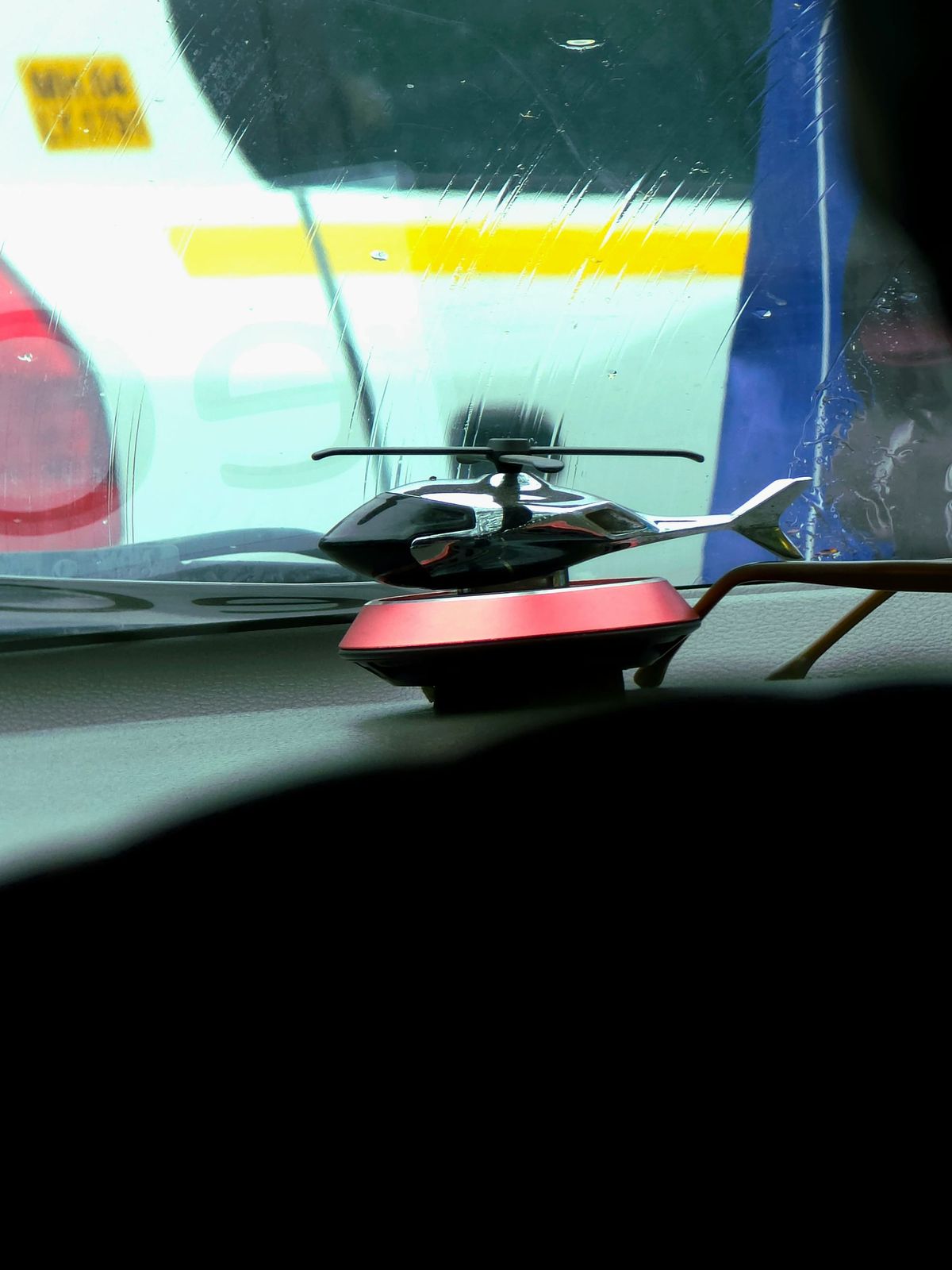
This morning, dropping the kids off at school, I saw her.
A small spider, sitting right in the middle of the windscreen, holding on against the wind. The kids went quiet in the back seat.
"Guys, look, a spider," I said to them. "I'm not going to kill her. I'm going to speak to her, see if she answers."
They laughed. I didn't.
I said to her, "You live one day at a time, don't you? You don't carry yesterday with you."
And she replied, in that quiet way things reply when you're actually listening, "I carry only what I need to weave today. You carry everything."
I told her, "That's the problem. My mother doesn't carry anything anymore. She lost her husband, she was there, she buried him. Now she looks for him every morning. She lost her son, the Athonite monk, in a car crash — seven months in a coma, then he fell asleep like a saint — and we never told her. She lost her bestie, the one she drank coffee with since they both had seven children each. That friend is now in the same cemetery, five or six graves down from her husband, on the same path. My mother still calls her for coffee. She doesn't answer."
"And yet," I said, "my mother lives in a strange, unexplained joy. She did her duty. She raised her children, she married them off. When her husband left, it was as if she resigned from life. Now a cloud stands in front of her, they call it weak memory, and it lets her live in carefreeness."
Then the spider replied, "So forgetting healed her."
"Yes," I said. "And that gave me a vision."
What if one day we could do, on purpose, what dementia did to her by accident — but precisely, and with mercy?
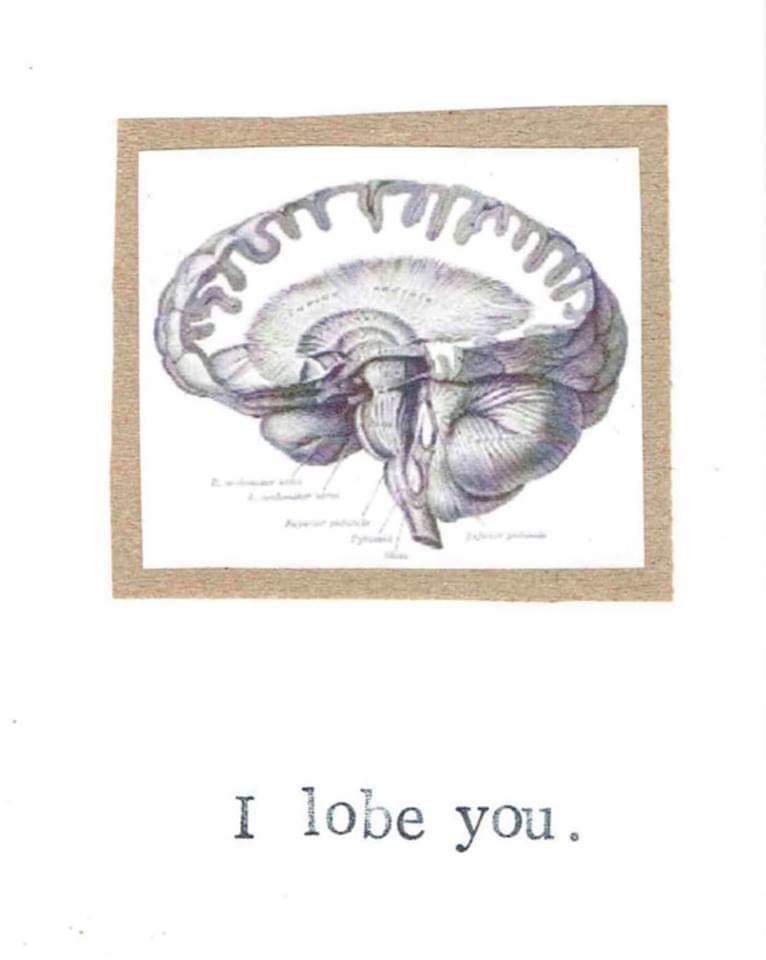
A medical intervention. Not a pill that dulls everything. A surgery. A tool so fine it could find the microregion of the brain where one specific traumatic event is stored — not your whole life, not your childhood, not your love — just that event and its aftermath. And remove it. Harmless if possible. Even high-risk, if necessary. Because it would be worth it.
You would forget the event. Not pretend to forget. Not learn to live with it. Actually forget it. And in forgetting it, you would heal the unresolved trauma, the depression, the psychosis, the nightmares, whatever else came with it. And you would move on with your life.
Then the spider said to me, "You humans think memory is a file you can delete. For us, memory is in the body."
That's exactly what Bessel van der Kolk meant when he wrote The Body Keeps the Score. He said trauma is not just a story about something that happened back then. It is the current imprint of that pain, horror and fear living inside the body. The body remembers even when the mind tries to forget.
That's why talking about it is often not enough. You can understand your trauma perfectly and still flinch when a door slams. The memory is not in the story. It's in the nervous system.
And Robert Sapolsky, in Why Zebras Don't Get Ulcers, explains why we suffer more than animals do. A zebra gets chased by a lion, escapes, and shakes it off. It doesn't spend the next three weeks wondering if it will be chased again, replaying the chase, blaming itself for running the wrong way. We do. We ruminate. We turn a three-minute acute stress into a chronic disease. As Sapolsky puts it, we are sickened not by the stressor itself, but by our endless psychological response to it.
I said to the spider, "Exactly. So if the zebra forgets because it never stored it as a story, why can't we learn to un-store it?"
"Imagine," I said, "a woman who saw her child die in a car crash. A soldier who cannot sleep without hearing the explosion. A man who was abused and still hears the voice in every relationship. They have tried therapy. They have tried medication. The memory is still there, like a splinter under the skin, infecting everything around it. What if a surgeon could go in, map that one splinter — that one network — and lift it out? Not lobotomy. Not erasing a person. Just removing the event."
Then she replied, "And what happens to the love that was attached to the event?"
"That's the question I keep asking," I told her. "My mother forgot the deaths, but she also forgot the weddings, the births, the coffee on the balcony. She kept the joy, but she lost the context for the joy. If we remove the trauma, do we also remove the person we became because of it?"
And the spider replied, "You want to choose what to forget. That is a very human desire. I just spin."
I looked at her again. She hadn't moved. The wind was pushing the car, the kids were already running to the school gate, and she was still there, holding on to the glass.
I didn't kill her. I drove slowly, so she could get off at the next tree.
My vision is this: One day, forgetting will not be a disease. It will be a choice. A surgery of mercy. For those who cannot live with what they remember, we will finally be able to give them what my mother was given by accident — a cloud in front of the pain, and a chance to live again in the present, without the past eating them alive.
Not because trauma makes us stronger. Sometimes it just makes us sick. And sometimes, healing means letting go of the memory itself.