Why Basketball and Football Are Often Boys’ Favourite Activities in OT Sessions: A Neuroscientific Perspective
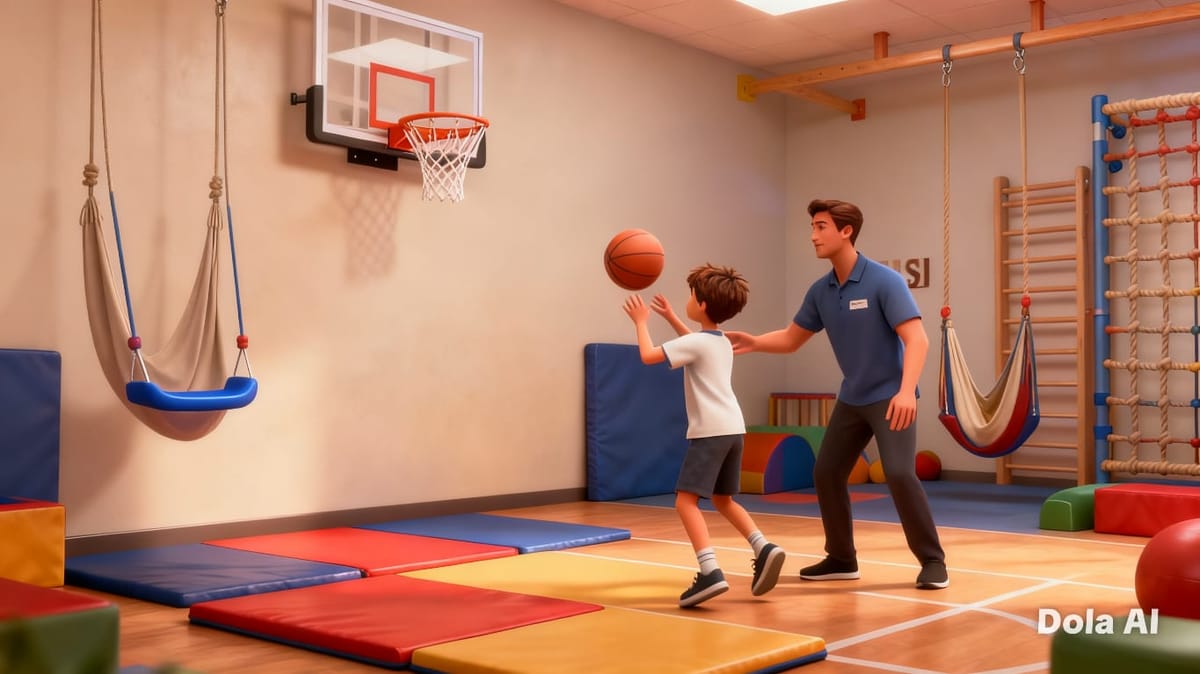
When boys walk into an occupational therapy clinic, it’s not uncommon to see their eyes light up at the mention of basketball or football. These sports are more than just games—they are dynamic, multi-layered activities that engage the brain and body in ways few other exercises can. From a psychological, sensory integration, and neuroscientific standpoint, the appeal of these sports is deeply rooted in how they interact with our reward systems, emotional regulation, and social bonding mechanisms.
At the core of this preference lies the brain’s reward circuitry. Football and basketball offer immediate, tangible rewards—scoring a goal, making a successful pass, or hearing the cheer of teammates. These moments trigger the release of dopamine and serotonin, neurotransmitters that fuel feelings of pleasure, motivation, and well-being. This acute activation of the reward system creates a powerful feedback loop: the more rewarding the experience, the more the individual wants to repeat it. In the context of occupational therapy, this is invaluable because it transforms therapeutic engagement into something intrinsically motivating, reducing stress and promoting emotional regulation through the natural release of anti-stress hormones.
Beyond the neurochemical benefits, these sports foster resilience and empathy through their inherently social nature. Unlike solitary activities such as swimming or hiking, team sports demand cooperation, communication, and adaptability. Players learn to manage frustration, celebrate collective success, and support each other through challenges. These experiences activate the brain’s bonding systems, strengthening interpersonal connections and enhancing emotional intelligence—skills that are critical for overall psychosocial development.
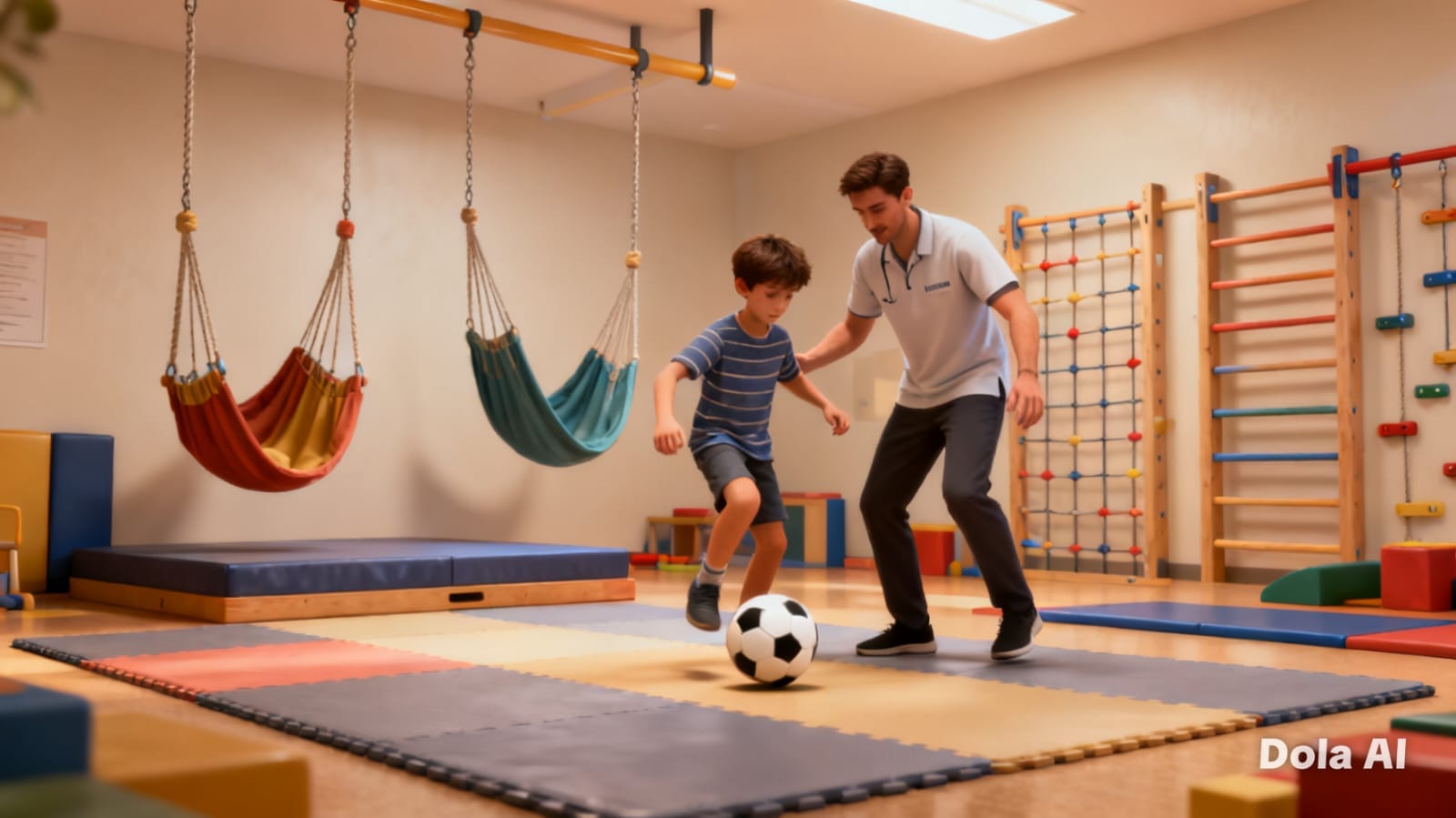
From a sensory integration perspective, football and basketball are rich, multi-sensory experiences. To play effectively, a child must integrate vestibular input for balance, somatosensory feedback for body awareness, auditory cues for communication, and visual processing for spatial orientation. These sports also require praxis—the ability to conceptualize, plan, and execute motor actions. Ideation, motor planning, and execution are constantly at play, alongside foundational motor skills such as bilateral coordination, speed, agility, strength, and stamina. Visual attention and oculomotor control are equally essential, as players track fast-moving objects and anticipate dynamic changes in the environment.
This complexity makes football and basketball uniquely therapeutic. They challenge the nervous system to organize and adapt, promoting neuroplasticity and enhancing executive functions. At the same time, they provide a natural outlet for stress, offering a surge of “feel-good” hormones that not only regulate mood but also reinforce engagement. In short, these sports deliver a holistic experience—physical, cognitive, emotional, and social—that simpler, single-motor activities cannot match.
For boys in occupational therapy, basketball and football are not just games; they are powerful tools for growth. They satisfy the brain’s craving for reward, strengthen sensory and motor systems, and nurture emotional resilience. In doing so, they transform therapy into an experience that is as joyful as it is therapeutic—a winning combination for both clinician and child.
A word of caution: Therapists should be mindful that introducing football and basketball into sessions carries a risk: boys may begin to associate therapy solely with these games and only enjoy attending if they are promised such activities.
To avoid this, therapists should liaise with their supervisors to discuss the benefits of incorporating these sports and collaboratively design a plan that includes other “just right challenge” activities. This ensures that children understand they are attending therapy—not a sports club—while still benefiting from the motivational and therapeutic aspects of these games.