Transforming Provocation into Participation: A Proactive, Neuro-Informed OT Model for Channeling Disruptive Behaviors into Goal-Directed Engagement
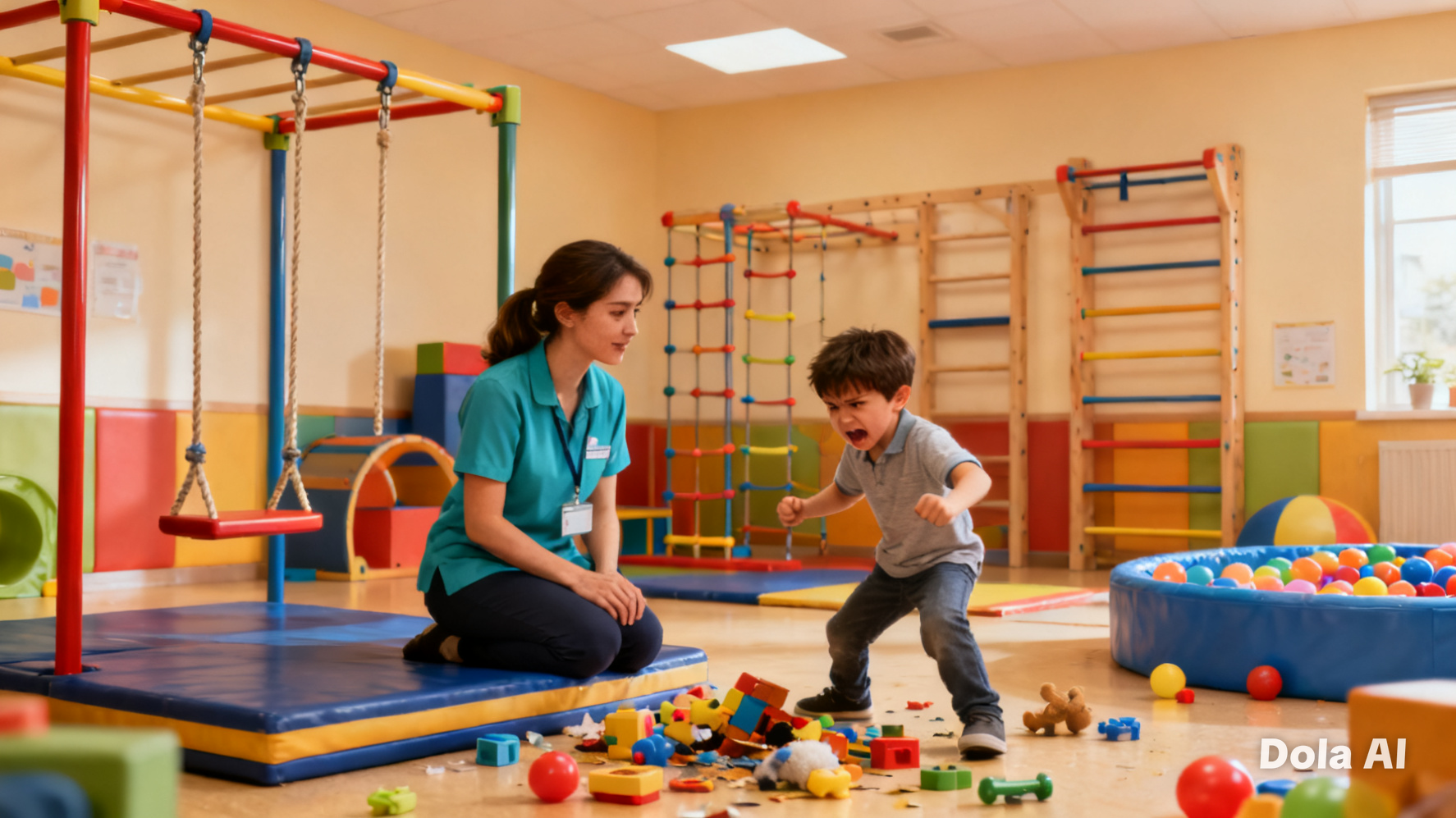
Have you ever worked with a child or teenager in occupational therapy who seems to push every button? Maybe they throw balls at people, ignore instructions, make a mess, break things, or use language just to get a big reaction from you. Sometimes they even provoke with sudden movements or inappropriate jokes.
If these behaviors start showing up as a pattern, they can become a bad habit—or even a new condition. So, what do we do? Correcting every move often turns into a power struggle. Instead, I’ve been developing a proactive approach that flips the script:
👉 We turn the behavior into cooperation by leading with the activity they want—before they do it.
This way, the child feels understood, gets the sensory input they need, and learns boundaries in a positive way. Let me explain how this works.
Why Do Kids Do This?
Many of these behaviors are not just “naughty.” They often come from sensory needs (like craving movement or muscle feedback) or a strong desire for social interaction—even if it looks like provocation.
When a child throws things or breaks items, they might be seeking proprioceptive input (deep pressure through muscles and joints) or vestibular input (movement). If they provoke others, they might be trying to open a channel for communication—even if it’s in the wrong way.
The Big Idea: Lead Before They Act
Instead of waiting for the child to act out and then correcting them, we offer the activity first—in a safe, structured way. This transforms the behavior into compliance and cooperation because the therapist initiated it.
Example 1: The Tent Collector
Observed behavior: The child picks up everything in the room and hides it in a tent, creating chaos.
Proactive approach: Before they start, say:
“Let’s put some things inside the tent together!”
You can make it a game: sort by color, size, or weight. This way, the child gets the movement and muscle feedback they crave—but now it’s organized and cooperative.
Example 2: The Ball Thrower
Observed behavior: The child throws balls at people or fragile items.
Proactive approach: Create a throwing game with clear rules:
- Targets on the wall
- Points for accuracy
- Safe zones for people
Now throwing becomes a skill-building activity instead of a disruptive one.
Example 3: The Breaker
Observed behavior: The child breaks things—sometimes on purpose.
Proactive approach: Turn it into a role-play game:
- Find cracked or broken balls from the ball pit
- Pretend you’re surgeons repairing them
- Cut them open safely with scissors
- Draw faces on the pieces
- Sort them by size
This satisfies the urge to break things but adds creativity, fine motor skills, and cleanup routines.
Example 4: The Provoker
Observed behavior: The child provokes siblings, parents, or peers—sometimes seen as bullying.
Proactive approach: In your 1:1 session, you start the role-play:
- Act like the “provoker” but show clear boundaries
- Teach what’s okay and what’s not (language, personal space, touch)
- Practice alternative scripts like jokes that are funny but respectful
This way, the child learns empathy and social rules while still meeting their need for interaction.
Why Does This Work?
- Sensory Needs Met: The child gets the movement and muscle input they crave.
- Behavioral Momentum: Starting with something they like makes them more willing to follow instructions.
- Memory Encoding: These positive experiences stick in their brain—both as episodes (“what we did”) and as rules (“how to do it right”).
- Social Learning: Role-play teaches boundaries and empathy in a safe way.
Tips for Therapists and Parents
- Plan Ahead: Think about what the child usually does and design an activity that meets that need safely.
- Lead First: Offer the activity before the child acts out.
- Set Clear Rules: Use simple language like “Safe throws,” “Friendly words,” “Strong pushes.”
- Reflect Together: After the activity, talk about what worked and why.
- Repeat and Generalize: Practice in different settings so the child can use these skills at home and school.
Final Thoughts
Challenging behaviors are often messages, not just mischief. When we listen to those messages and respond proactively, we can turn chaos into cooperation—and help kids build skills that last a lifetime.